Color Space
The main difference between RGB and CMYK color modes lies in their intended uses. RGB is for digital designs (web, TV, and phone files), while CMYK is for printed designs (T-shirts, flyers, and business cards).
Furthermore, RGB is additive, using red, green, and blue as primary colors to create white light, while CMYK is subtractive, using cyan, magenta, and yellow to produce black (represented by "K"). RGB offers 16.7 million colors, while CMYK provides 16,000 options. Despite the greater color range, RGB files are typically smaller than CMYK files.
RGB
Red / Blue / Green
Tip: When converting your files, check your embedded images and illustrations, as well as the design file to ensure they are saved as CMYK. If you lack software or domain expertise , we will edit the files for you.
 RGB is the color mode for screens
CMYK
Cyan / Magenta / Yellow / Key*
Tip: Black is the "Key" color, and 'K' stands for Key, Key Color, or Key Plate, referring to Black. "Key plate" was an old printing term for the detailed plate used for black ink and for aligning other color plates. In modern printing, it means Black.
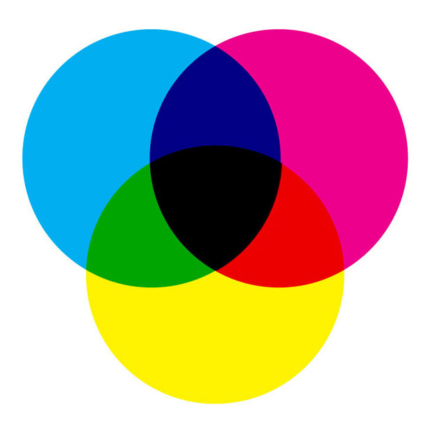 CMYK is the color mode for print
Color printing process
 HP Indigo digital press
The majority of our work is produced using HP Indigo presses or similar. The HP Indigo printing process is renowned for its ability to match the print quality of offset lithography while offering versatility in application, including the capability to print on a wide variety of materials.
Pantone Colors
 Pantone Matching System
Pantone is well-known for its Pantone Matching System (PMS), a proprietary color space used in various industries like graphic design, fashion design, product design, printing, and manufacturing. It helps manage color across different materials and formats, from design to production.
Everything we print is first converted to CMYK and then printed on 4-color digital presses. Converting Pantone to CMYK can be done in various ways, but achieving a perfect match is not always possible because CMYK cannot reproduce every Pantone color. Nevertheless, many conversions can yield nearly identical matches.
Spot Colors
Spot colors are solid colors made from specific pre-mixed inks, typically based on the Pantone Matching System (PMS). Pantone colors are standardized, each having a unique number and name, making it easy for designers and printers worldwide to identify and reproduce the exact same color.
Color Matching
Matching colors - whether they are PMS colors or specially formulated spot colors - is essential for branding. However, achieving exact color matches can be challenging for designers, especially when translating them to physical products. Screen colors in RGB often differ from the final product printed in CMYK, causing frustration when they don't align as expected.
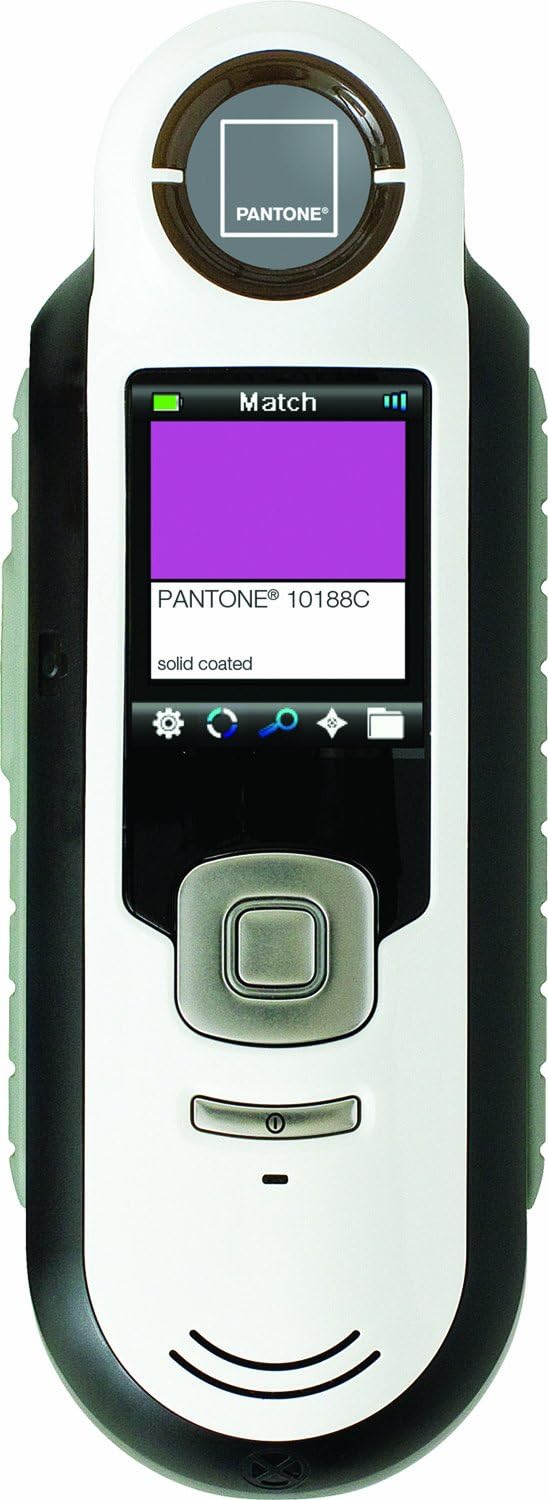 Pantone CAPSURE™ Color Matching Tool
The color matching process aims to align on-screen colors with the final print by evaluating hue, saturation, and brightness. The industry relies on the Pantone Matching System for globally standardized colors, which are then converted to CMYK for precision.
Usually, our software and color matching systems meet customer expectations on the first try. We prioritize long-term relationships and are open to conducting multiple color match tests to find the ideal color for your project and brand.
Color Space
-
The main difference between RGB and CMYK color modes lies in their intended uses. **RGB is for digital designs** (web, TV, and phone files), while **CMYK is for printed designs** (T-shirts, flyers, and business cards).
function link() { [native code] }